

About DEXTER
DEXTER (Doctoral Design for Extreme Environments: Space Architecture & Space Habitats) treats the challenge of living beyond Earth as a catalyst for sustainable design and entrepreneurial thinking on our own planet.
By examining the demands of extreme environments, participants explore new approaches to circular construction, modular housing, renewable energy and climate resilience. The programme combines speculative design, VR/AR, generative tools and engineering knowledge to help doctoral candidates turn ambitious concepts into solutions that are technically credible and relevant to real-world markets.



About the Module
This 120-hour interdisciplinary programme brings together architecture, aerospace engineering, materials science, environmental systems, digital design and human-centred innovation.
The module consists of two sequential 60-hour courses:
- Course 1: Creative Horizons
- Course 2: Materials, Systems, and Engineering of Extraterrestrial Habitats
Why take the DEXTER course?
Space architecture extends far beyond conventional building practice. It brings speculative creativity together with materials science, environmental systems engineering and human-centred design to respond to radiation, altered gravity, extreme temperatures, limited resources and psychological well-being.
These principles also have direct value on Earth. Closed-loop water and waste systems, renewable energy, modular construction and resource-efficient materials can strengthen resilient housing, off-grid infrastructure and emergency responses in vulnerable settings.
Integrated Learning Pathway:
- Frame the challenge: Identify the environmental, cultural and human factors that shape the design context.
- Imagine the habitat: Develop a unified concept that connects space, experience and narrative.
- Engineer the system: Define suitable materials, structures, life-support systems and energy solutions.
- Validate feasibility: Test the concept through digital modelling, VR/AR scenarios and system-level evaluation.
- Translate value: Explore intellectual property, viable business models and applications on Earth.
Watch the Course Presentation:
DEXTER Consortium



Course 1: Creative Horizons - Speculative and Human-Centred Space Architecture
Explore how architecture for extreme environments can reshape ideas of identity, community and human experience, and use those insights to create imaginative yet coherent visions for life beyond Earth.
The course includes the following lessons:
- Introduction to Space Architecture: Trace the development of habitats and consider architecture as an expression of culture and collective meaning.
- Human Experience in Extreme Environments: Investigate isolation, confinement, disrupted circadian rhythms and social dynamics, supported by VR-based exploration..
- Speculative and Narrative-Driven Design: Use science fiction, symbolism, aesthetics and generative tools to shape compelling habitat concepts.
- Earth ↔ Space Reciprocity: Connect resource scarcity, circular systems and closed-loop living with new approaches to sustainable housing.
- Conceptual Habitat Design Workshop: Create a visionary lunar or Martian settlement in which narrative and lived experience guide the design.
- Entrepreneurship in Visionary Habitat Design: Identify terrestrial applications, develop business models and communicate the concept through investor presentations and pitches.
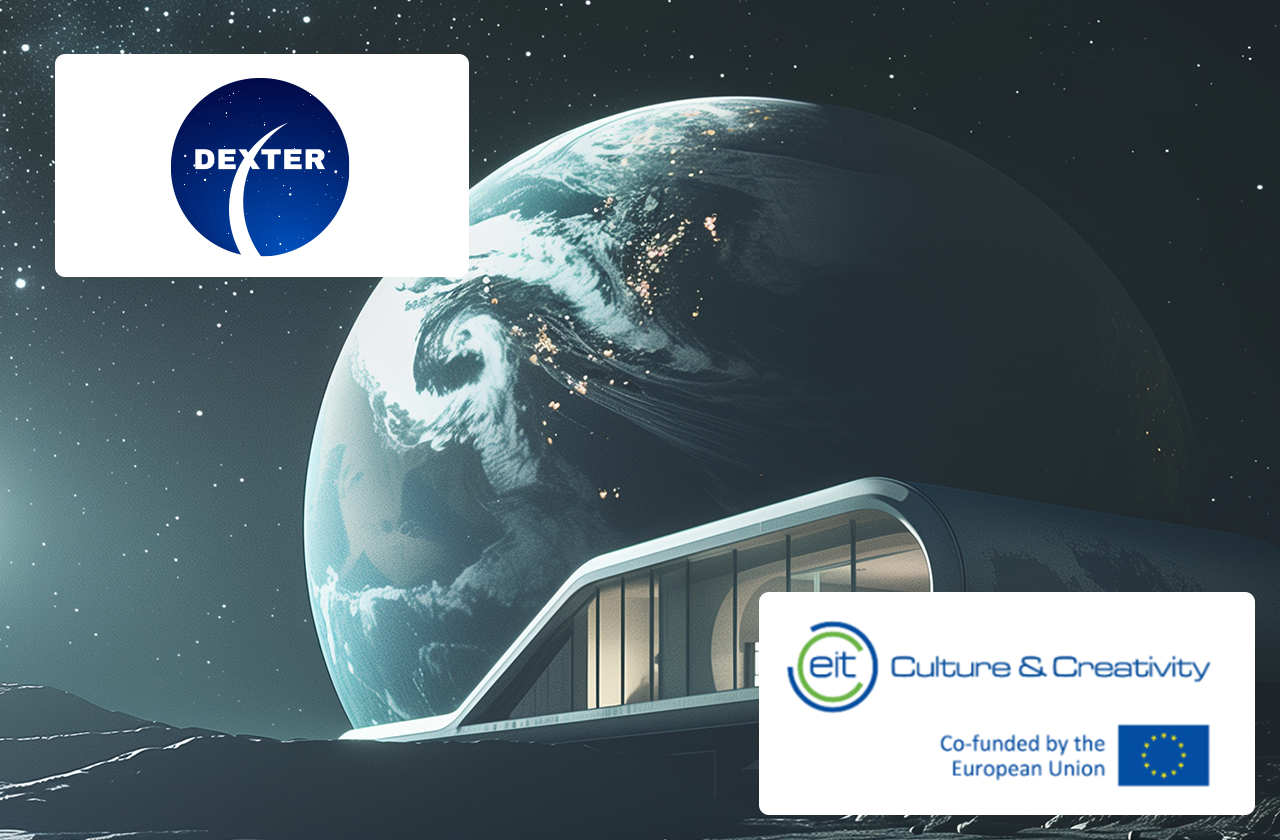
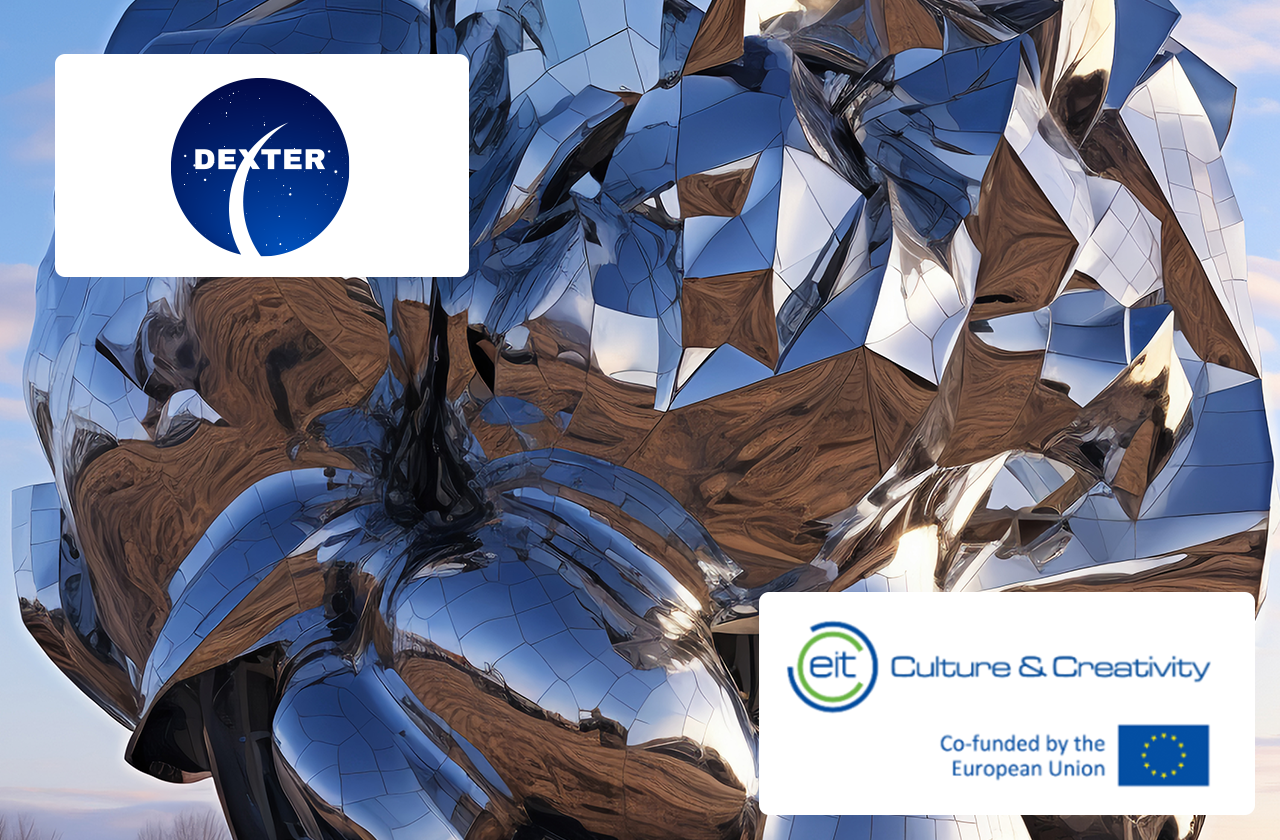
Course 2: Materials & Systems: Materials, Systems, and Engineering of Extraterrestrial Habitats
Turn habitat concepts into credible proposals by examining practical construction methods, environmental systems, material choices, structural integration, and sustainable technologies.
- Environmental Challenges: Assess how radiation, extreme temperatures, dust, vacuum, atmospheric conditions, and gravity influence habitat design.
- Materials and Construction Strategies: Explore ISRU, regolith-based composites, 3D printing, deployable structures and smart materials as construction options.
- Life Support and Environmental Systems: Design integrated approaches to air, water, waste, energy harvesting, thermal control and pressurisation.
- Structural and Systems Integration: Bring modularity, liveability and scalability together while using VR/AR to examine construction and assembly scenarios.
- Technical Substantiation Workshop: Strengthen the proposal through material selection, structural modelling, system integration and feasibility assessment.
- Innovation and IP in Space Construction: Develop an IP strategy and consider technology transfer, financing and demonstrations designed for investors.
DEXTER Courses
DEXTER Courses
Disclaimer
Project KAVA Code: 062600033
Disclaimer: Co-funded by the European Union. Views and opinions expressed are however those of the author(s) only and do not necessarily reflect those of the European Union or the EIT. Neither the European Union nor the granting authority can be held responsible for them.
EIT Culture & Creativity is supported by the European Institute of Innovation and Technology (EIT), a body of the European Union.