

DiGi-SEII: Digital Transformation for Social Economy Support Organisations (SESOs)
Supporting digital transformation is about more than knowing which digital tools are available. It starts with understanding the organisations you support — their needs, challenges and digital maturity — and considering what kind of support can help them move forward.
This course introduces key areas of digitalisation relevant to Social Economy Support Organisations. It will help you assess digital needs and capabilities, develop more strategic approaches to digitalisation and support social enterprises in making digital choices that fit their context.
The starting point is the organisation you are supporting.
New to the platform? Create a free account first
About This Course
The programme also includes Complementary Services (CS) to help participating organisations apply what they learn to their own organisational needs and digitalisation challenges. These may include mentoring, study visits, matchmaking and facilitated peer-group activities, depending on the support available through the project partners.
The course takes you through four interconnected areas – from understanding digitalisation and assessing digital maturity to building a digital strategy, exploring digital solutions and supporting social enterprises in selecting appropriate tools and improving their processes.
Throughout the course, you will explore practical questions, frameworks and approaches that can help you connect digital opportunities with the actual needs and capacities of the organisations you support.
Course Content
Module 1: Demystifying Digitalisation & Assessing Maturity
1.1 Understanding Digitalisation in the Social Economy
Understand what digitalisation means beyond simply using digital tools, explore the specific opportunities and challenges it presents for the social economy, and recognise good practices and common pitfalls.
1.2 Evaluating Digital Maturity
Use practical questions and a structured framework to discuss digital practices and assess an organisation’s digital maturity across different stages.
Module 2: Building a Digital Strategy
2.1 Foundations of a Digital Strategy
Understand what a digital strategy is, why it matters for social impact and resilience, and explore the key building blocks for developing one.
2.2 Analysing Needs & Capabilities
Identify the digital needs, priorities and constraints of the social enterprises you support while considering your own organisation’s strengths, limitations and readiness to provide digital support.
2.3 Formalising the Digital Strategy
Use practical tools to define a digital vision, establish key goals and translate strategic direction into short- and longer-term priorities.
Module 3: Exploring Digital Solutions & Systems
3.1 Collaboration, Learning & Community Systems
Explore digital systems for learning, community building and team collaboration, and consider how they can connect strategic needs with appropriate solutions.
3.2 HRM, ERP, CRM & Data Management Systems
Understand how different organisational systems can help manage and connect organisational data, processes and interactions.
3.3 Automation & AI Workflows
Understand the difference between rule-based automation and AI workflows, explore practical applications for repetitive tasks, and consider ethical, bias and GDPR implications.
Module 4: Supporting SEs in Tool Selection & Process Design
4.1 Mapping Processes & Identifying Bottlenecks
Map workflows, identify interruptions, redundancies and bottlenecks, and define concrete needs before considering a digital tool.
4.2 Guiding SEs in Digital Tool Evaluation
Use practical questions and frameworks to help social enterprises assess their current tools and make informed, ethical and budget-conscious choices about digital solutions.
What You Will Take Away
By the end of the course, you will have a clearer understanding of how to assess digital needs and maturity, connect those needs with appropriate strategies and solutions, and support social enterprises in making informed digital choices.
You will also have explored practical approaches that can help you strengthen the digital support you provide in different organisational contexts.
Track Your Progress & Earn Digital Badges
Each module begins and ends with a short check-in to help you track your learning progress.
Complete the module and its check-ins to earn a DiGi-SEII digital badge for that module.
Complete all modules and their check-ins to earn recognition for completing the full DiGi-SEII course.
Want to Learn More?
In addition to this course, you can select three self-paced courses from the wider ICARUS learning offer based on the areas most relevant to you.
Not sure where to start? Use the course selection guide to explore the recommended courses.
FIND COURSES RELEVANT TO YOU
Understanding Digitalisation and the Digital Economy
Explore digital innovation, emerging technologies and the changing digital environment.

Advanced Innovation & entrepreneurship
Innovation and Entrepreneurship: Understanding the Dynamics of Value Creation This course offers a comprehensive exploration of innovation as a multidimensional…

Innovation Management & Digital Economy Principles
The course consists of two main sections. The first section is dedicated to current topics specific to the digital economy,…

Principles of Artificial Intelligence
Course Summary: Principles of Artificial Intelligence This engaging, informative, and hands-on online course introduces fundamental AI concepts, technologies, and applications…

Digital Strategy, Readiness and Organisational Development
Explore approaches that can support organisational development, planning and the use of data.

Basics of Data Analysis (basic-level)
This is a basic-level self-standing learning module on Basics on Data Analysis. Data analysis is the process of transforming raw…

Business Development 1 – What is a business?
Course Overview This is the first module of the course Business Development. It provides a comprehensive introduction to the key…

Business Development 2 – How to develop a business?
How to Develop Business? Course overview This is the second module of the course Business Development. It explores key frameworks…

Introduction to Agile Project Management
This course provides a comprehensive introduction to Agile Project Management, exploring its principles, methodologies, and practices essential for delivering projects…

Building Digital Capacity
Explore specific areas of digital knowledge that can help you better understand and support the use of digital technologies.
Ethics of Trustworthy AI
This course introduces the core ethical challenges in artificial intelligence and equips learners with the tools to evaluate and design…

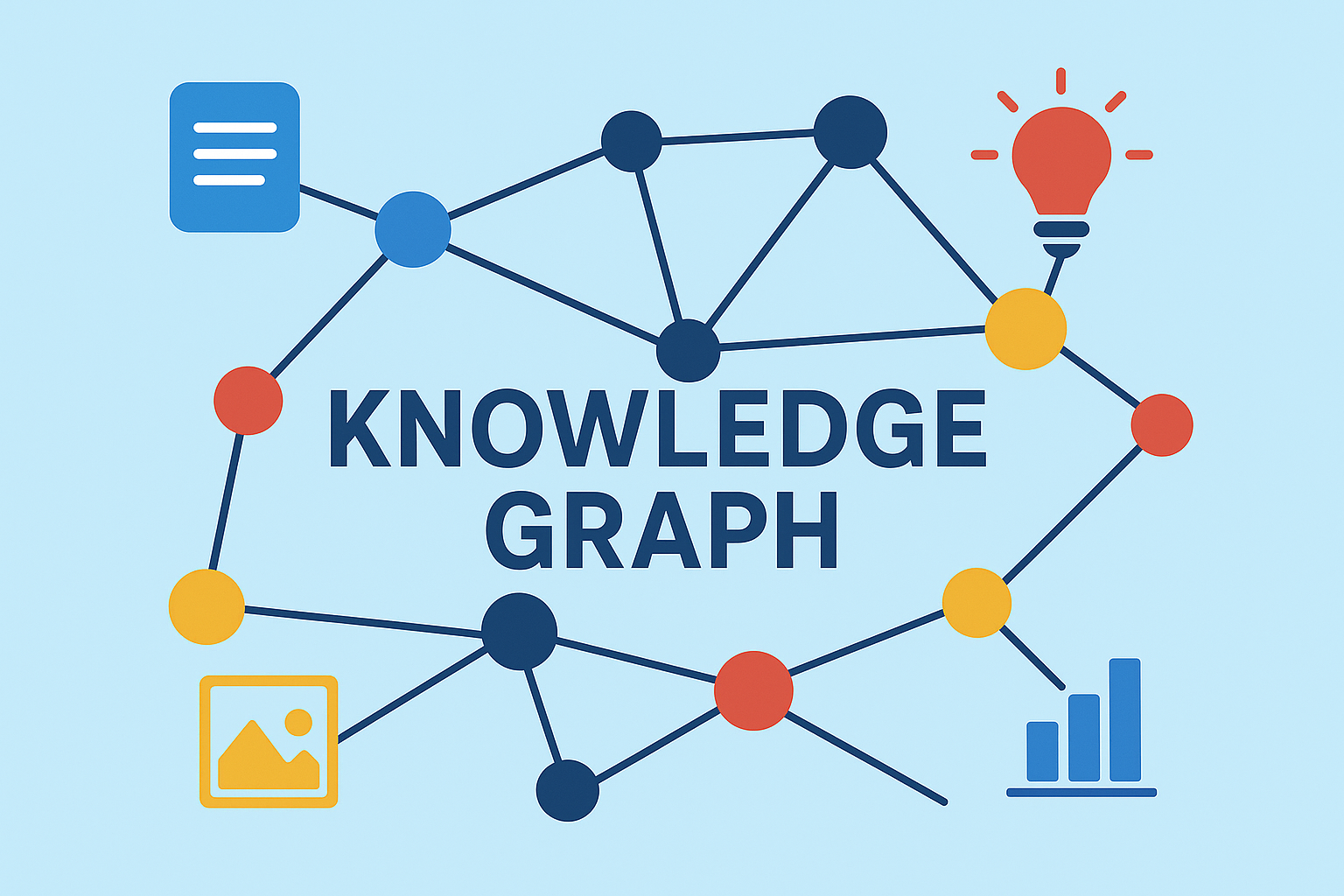
Knowledge Graphs (basic)
This is a basic-level self-standing learning module on Knowledge Graphs. This module consists of 10 micromodules, which cover approx. 10…
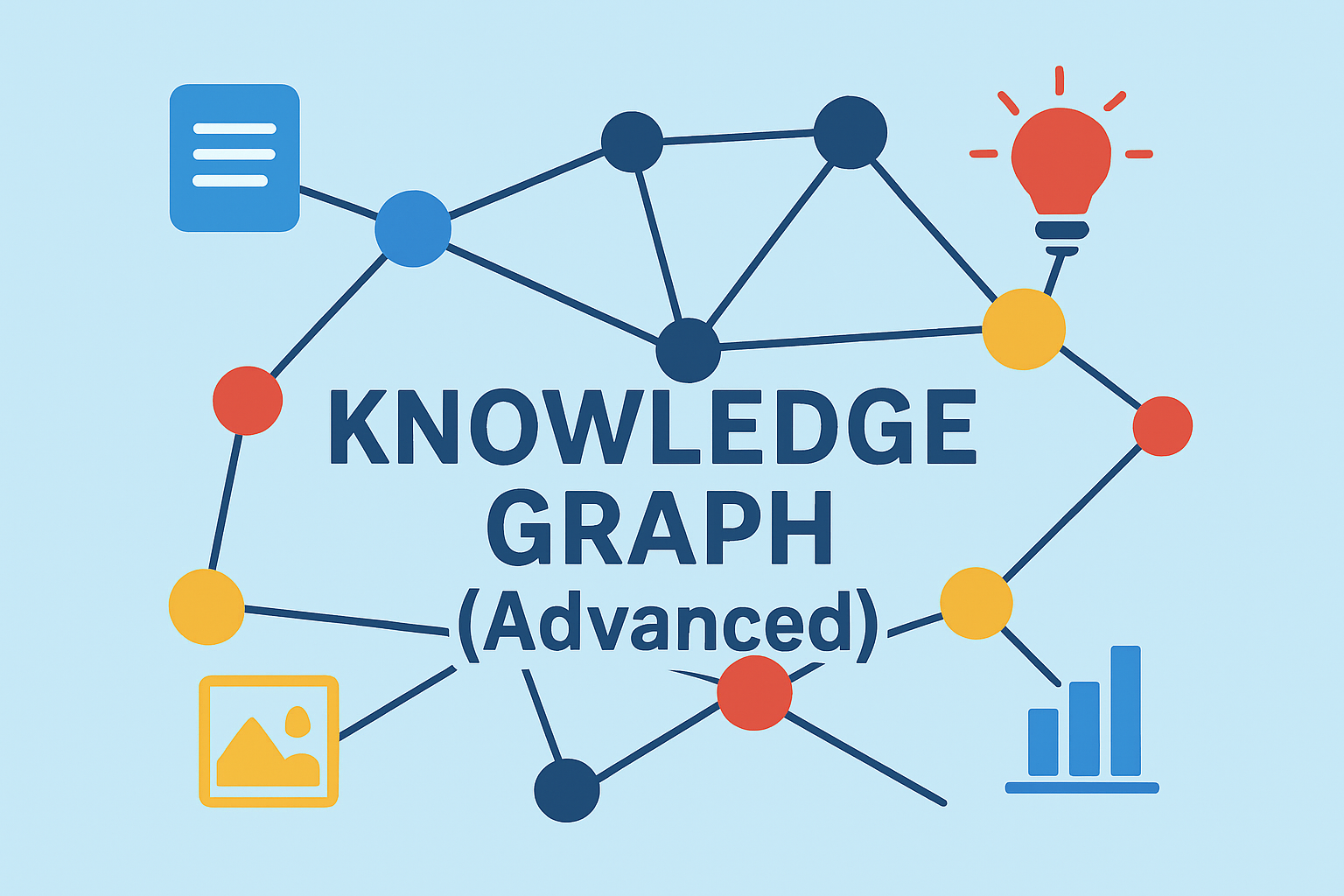
Knowledge graphs (advanced)
This is an advanced-level self-standing learning module on Knowledge graphs. This module consists of 7 micromodules, which cover approx. 25…
Supporting Responsible and Secure Digital Transformation
Explore cybersecurity, privacy and responsible digital practices relevant to organisations undergoing digital transformation.

Cyber Security for the Business User
This course is targeted towards the business users who encounter daily threats associated with Internet use in both their professional…

Foundations of Cyber Security
Welcome to the Foundations of cyber security course. After completing this short course, you will have the necessary understanding of…

Introduction to Computer and Network Security
An introduction to computer and network security for professionals

Privacy Enhancing Technologies
After you complete this course, you will understand the main privacy concerns and how organizations collect your data. You will…

Academic Ethics and Integrity in Computer Science
The course is recommended for Master students in any domain in Computer Science. The main objectives of the course are:…

Ethical Hacking Course on Web Application Security
Thousands of data breaches are reported yearly and are expected to increase as organizations grow their online presence. A web…

Introduction to Malware
After this short course, you will have an understanding of the evolvement and prevention of malware. You will become knowledgeable…

Choose an area you would like to explore further. The courses below are part of the recommended ICARUS learning offer for DiGi-SEII participants.
Understanding Digitalisation and the Digital Economy
Explore digital innovation, emerging technologies and the changing digital environment.
Advanced Innovation & Entrepreneurship
Innovation Management in the Digital Economy
Principles of Artificial Intelligence
Digital Strategy, Readiness and Organisational Development
Explore approaches that can support organisational development, planning and the use of data.
Basics of Data Analysis (basic level)
Business Development 1: What Is a Business?
Business Development 2: How to Develop a Business
Introduction to Agile Project Management
Building Digital Capacity
Explore specific areas of digital knowledge that can help you better understand and support the use of digital technologies.
Ethics of Trustworthy AI
Knowledge Graphs: Basic
Knowledge Graphs: Advanced
Supporting Responsible and Secure Digital Transformation
Explore cybersecurity, privacy and responsible digital practices relevant to organisations undergoing digital transformation.
Cyber Security for the Business User
Foundations of Cyber Security
Introduction to Computer and Network Security
Privacy-Enhancing Technologies
Academic Ethics and Integrity in Computer Science
Ethical Hacking: Web Application Security
Introduction to Malware
Explore Further
You can also browse the wider ICARUS course catalogue to discover other topics that may be relevant to your work.